Antimicrobial resistance (AMR) is one of the most significant public health challenges of the 21st century. It occurs when bacteria, viruses, fungi, and parasites evolve to resist antimicrobial medicines, making infections harder to treat and increasing the risk of disease spread, severe illness, and death. While the misuse and overuse of antibiotics in human and animal health are well-recognized drivers of AMR, growing evidence shows that environmental contamination from pharmaceutical manufacturing, healthcare facilities, livestock operations, and the improper disposal of medicines also plays a critical role in accelerating the emergence and spread of resistant microorganisms.
Recognizing the environment as a key pathway in the development and transmission of AMR, Toxics Link works to address pharmaceutical pollution and advocate for responsible management of antimicrobial waste. Our work focuses on promoting sustainable pharmaceutical waste management, strengthening regulatory frameworks, generating scientific evidence on environmental contamination, and raising awareness among policymakers, healthcare institutions, industry, and the public. Through research, policy advocacy, stakeholder engagement, and capacity building, we aim to reduce the environmental burden of antimicrobial residues and support the One Health approach, which recognizes the interconnected health of people, animals, and ecosystems.
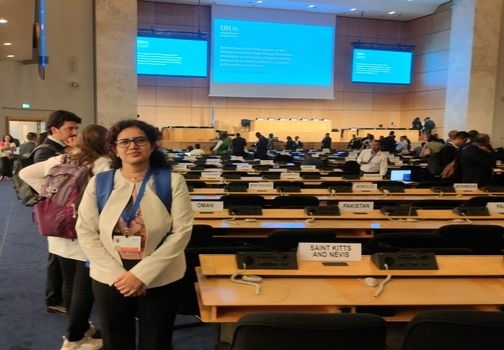
Globally, AMR has emerged as a development, environmental, and health priority. The adoption of the Global Action Plan on Antimicrobial Resistance by the World Health Organization and partner agencies, the establishment of the Quadripartite collaboration, and the 2024 United Nations High-Level Meeting on AMR have reinforced the need for coordinated action across sectors, including stronger measures to address environmental sources of antimicrobial resistance.
India bears one of the world’s highest burdens of antimicrobial use and resistant infections, making AMR a national priority. The country has adopted a National Action Plan on AMR and is implementing surveillance and stewardship programmes across the human and animal health sectors. However, gaps remain in managing pharmaceutical waste, preventing environmental contamination, and integrating environmental considerations into AMR strategies. Toxics Link continues to advocate for stronger policies, improved waste management practices, and greater recognition of the environmental dimensions of AMR to help safeguard public health and protect ecosystems.
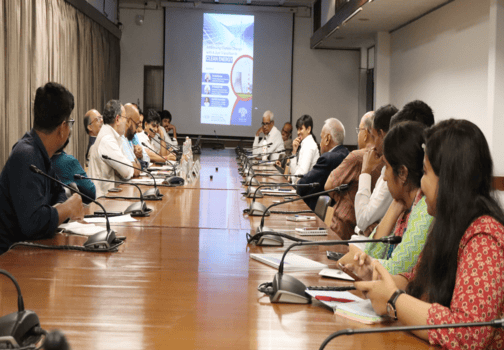
In recent years, Toxics Link has been engaged in tackling the growing threat of Antimicrobial Resistance through a multisectoral, One Health approach which integrates science, policy, and advocacy. Our work on the issue spans pharmaceutical pollution, biomedical waste management, and antimicrobial misuse and overuse in both healthcare and animal production sectors. These activities have been compounded by comprehensive multi-state capacity building initiatives with local authorities and relevant stakeholders, and sustained advocacy for stronger regulations and enforcement. Through evidence-based research and outreach, Toxics Link seeks to promote safer, more sustainable practices to reduce chemical pollution and AMR in India.