Persistent Organic Pollutants (POPs) are organic chemical substances that are highly toxic and persist in the environment. They can spread in the environment through soil, water and air. Their bio-accumulation through the food web poses a high risk of causing adverse effects on human health and environment.
Stockholm Convention on Persistent Organic Pollutants (POPs)
“The Stockholm Convention on Persistent Organic Pollutants is a global treaty to protect human health and the environment from chemicals that remain intact in the environment for long periods, become widely distributed geographically, accumulate in the fatty tissues of humans and wildlife, and have harmful impacts on human health or on the environment.” Read more..
The convention was adopted in 2001 and came into effect in 2004. Under the treaty the countries agreed to reduce or eliminate the production, use, and/or release of twelve key POPs. India is a signatory to the Stockholm Convention and ratified the convention in 2006, as an endeavour to phase out the production and emission of POPs.
Acknowledging the gravity of the threat posed, Toxics Link started working on POPs and became the first to raise the issue in the sub-continent. For the past 20 years the organization has been actively engaged on the issue of persistent organic pollutants and has been seeking appropriate solutions for India. In 2000, the organisation published a report titled The Trojan Horses- Persistent Organic Pollutants in India which drew considerable attention on the issue, across the country. It has also published a series of literature and research papers on the situation of POPs in India and the South Asian region. The literature not only helped in providing a better understanding of policy framework, but also proved crucial during the negotiations of Stockholm Convention.
After the Convention came into force, Toxics Link was designated as the South Asian regional hub of International POPs Elimination Network (IPEN). The project involved eighteen non-governmental organizations from the region, who executed various projects to eliminate and reduce POPs.
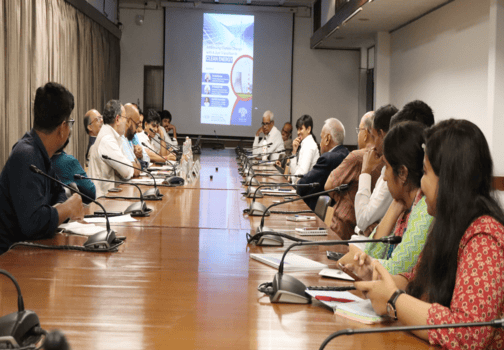
Toxics Link has also organised a series of consultations, meetings and seminars, and published various reports and articles on the issue. The organization has conducted various capacity building and awareness generation programmes for the management and elimination of POPs.
The organization was also consulted during the preparation of the National Implementation Plan (NIP) by the Government of India.
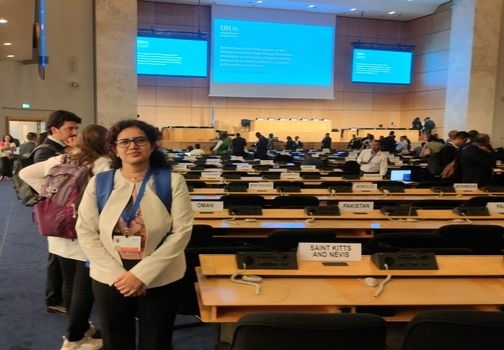
Presently, Toxics Link is engaging with the key stakeholders for an effective implementation of NIP in India. Further, the organisation also contributes to international dialogues on new POPs and represents the convention at COP meetings.
Pesticides
For the past 20 years Toxics Link has been working on the issue of pesticides. In 2002, Toxics Link carried out an investigative report on the death of the farmers in Warangal District of Andhra Pradesh, due to exposure to pesticides. Ironically the findings were challenged by the industry in the Supreme Court of India. However, the Court upheld the findings of the Toxics Link study in 2010.Read More …
Apart from the interventions in agricultural pesticides, Toxics Link has also initiated a series of activities in the area of household pesticides. There are no regulations in place in India to manage the household pesticides. Toxics Link has also been engaged extensively on various policy issues of pesticide management, DDT, pesticides standards in Food Safety Act 2006, Pesticides Management Bill, Stockholm Convention and banning of Endosulphan.