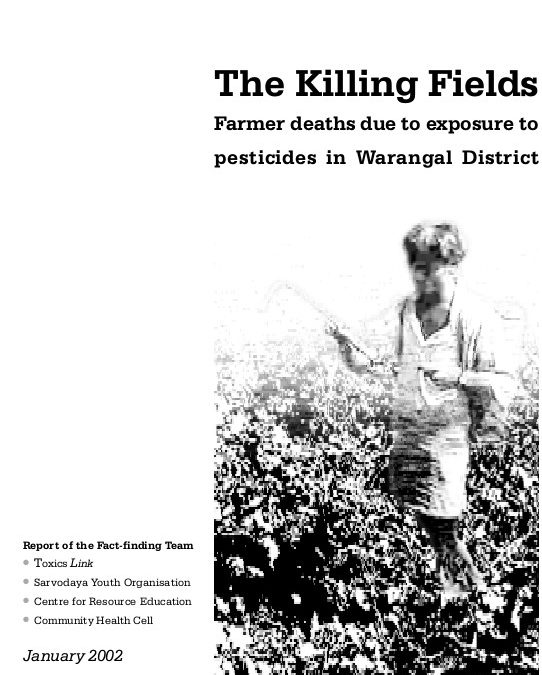
Pesticide consumption in agriculture has been on the rise in the last 20 years in India. Pesticides are used extensively in crops such as cotton, paddy, chilies, horticulture, tobacco, etc. They are also used for public health purposes like vector control for diseases like malaria, dengue, and so forth. However, little attention is given to their long term impact on the environment and human beings. The report, The Killing Fields: Farmer deaths due to exposure to pesticides in Warangal District, investigates into the harmful effects of pesticides on farmers in the Warangal district of Andhra Pradesh. The report is a collaborative effort of Toxics Link, Sarvodaya Youth Organisation, Centre for Resource Education, and Community Health Cell.
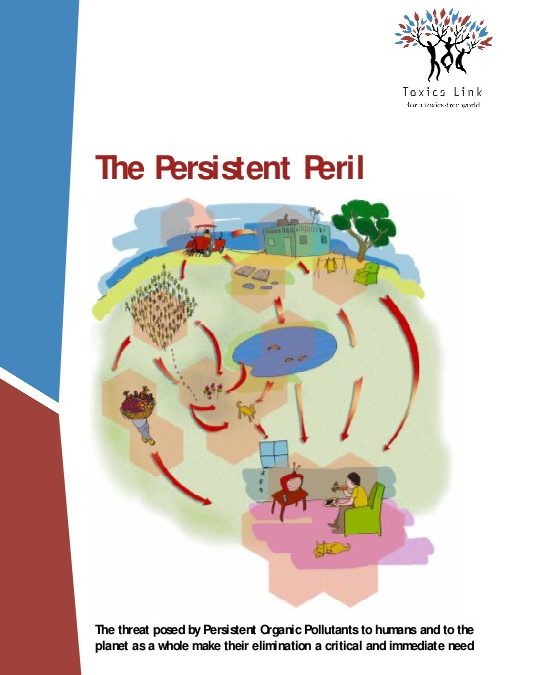
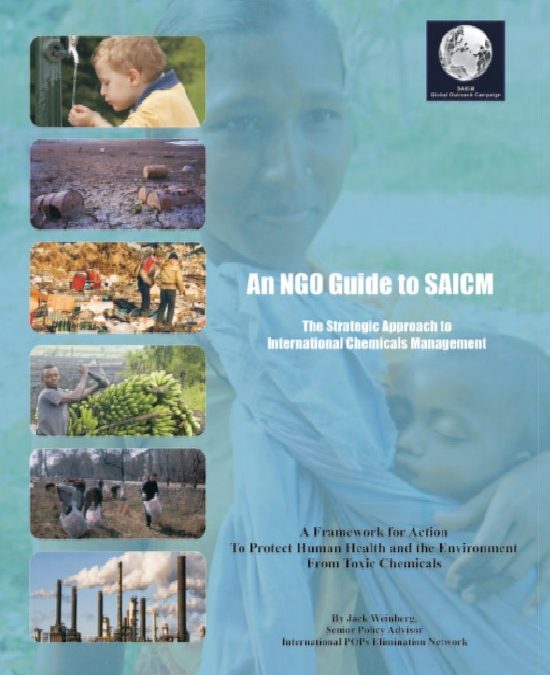
The threat posed by Persistent Organic Pollutants (POPs) to humans and to the planet as a whole make their elimination a critical and immediate need. The Stockholm Convention on Persistent Organic Pollutants (POPs) has helped classify a set of chemicals which are especially toxic for the environment as well as human health. POPs are chemicals of concern globally because, though they may be locally manufactured and used, they impact the globe owing to their ability to travel long distances through a variety of media and pathways. Their impact has been recognised as deadly, since these chemicals accumulate in animal fat, magnify up the food chain and do not break down. They cause a variety of serious health effects in the short term as well as long term. Children and pregnant women are especially vulnerable to POPs. They may be unsafe even at unbelievably low contaminations, the timing of the exposure being as critical as its dosage. Recognising them as a global problem is the first step towards taking global action for their minimisation and ultimate elimination.