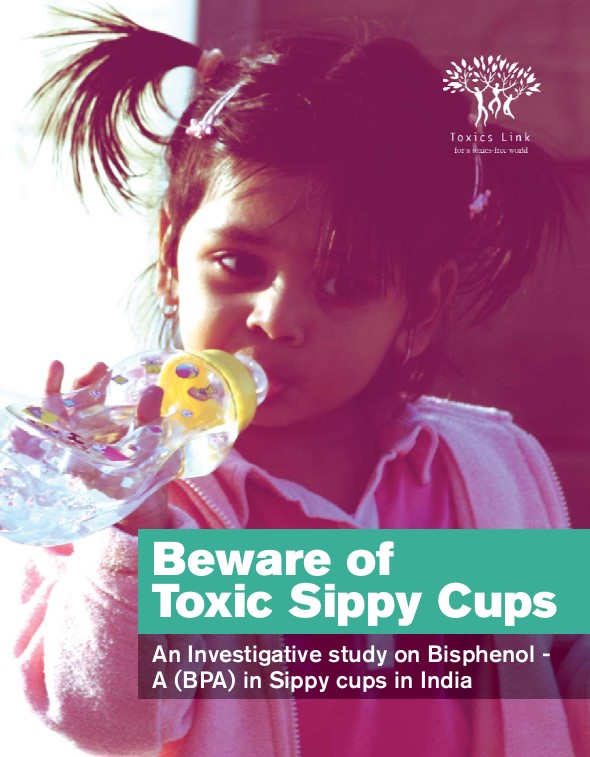
Beware of Toxic Sippy Cups: An Investigative Study on Bisphenol
Keywords: toxic, india, Toxics, Health, Delhi, NGO, Environment, Impact, BPA, Toxics Link, Sippy, Cups, market, unregulated, feeding bottles, polycarbonate, sample, Bureau of Indian Standard, beware, Epoxy Resins, food and beverage, Endocrine Disprupting...
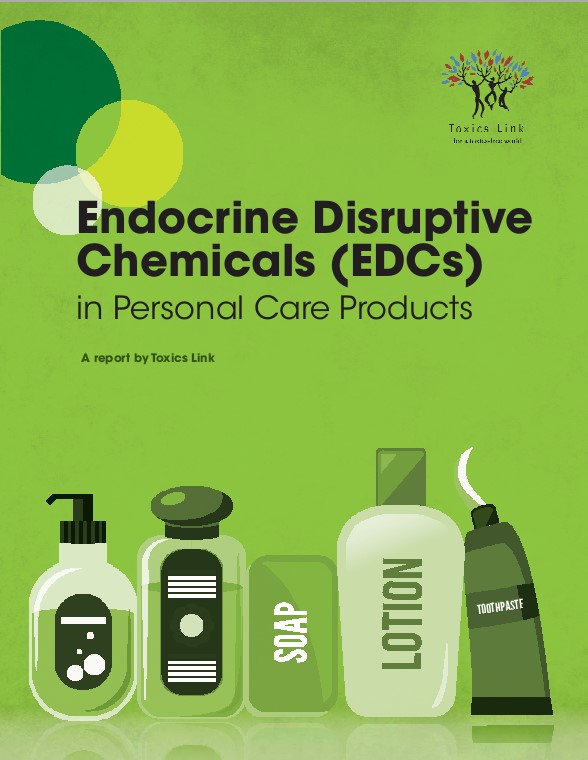
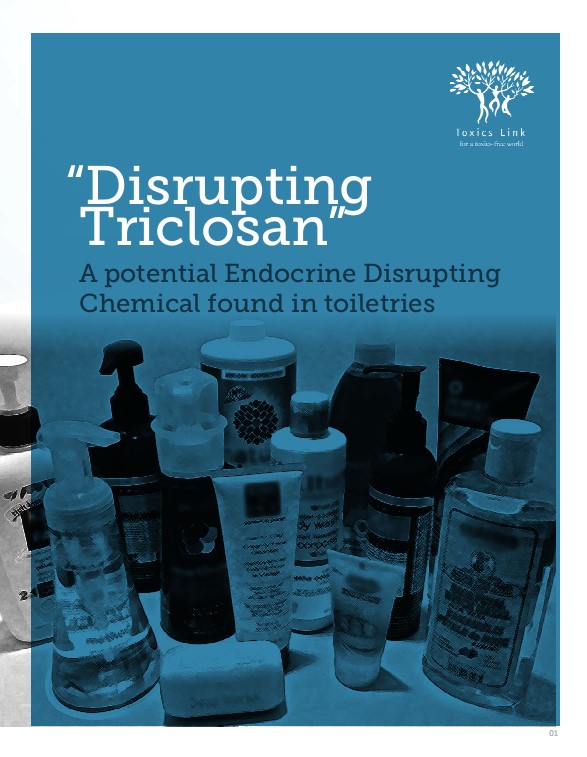
Endocrine Disruptive Chemicals (EDCs) in Personal Care Products
Keywords: india, Delhi, NGO, Environment, chemicals, Toxics Link, Endocrine, Disruptive, EDCs, TRICLOSAN, human health, Bureau of Indian Standards, UNEP, Personal care products, Association of Southeast Asian Nations, Procter & Gamble, hormone imbalance, exposure...
Time to Reboot II
‘Time to Reboot II’, as the title suggests, is in continuation to our first report last year which rated the top Producers of EEE in the country on their performance on EPR, and is a sustained effort towards improving compliance to theRules. The ?ndings of this report indicate that the Producers are still shying away from their responsibility and there is a need to address many gaps and improve e-waste management.For the complete findings please read the report.
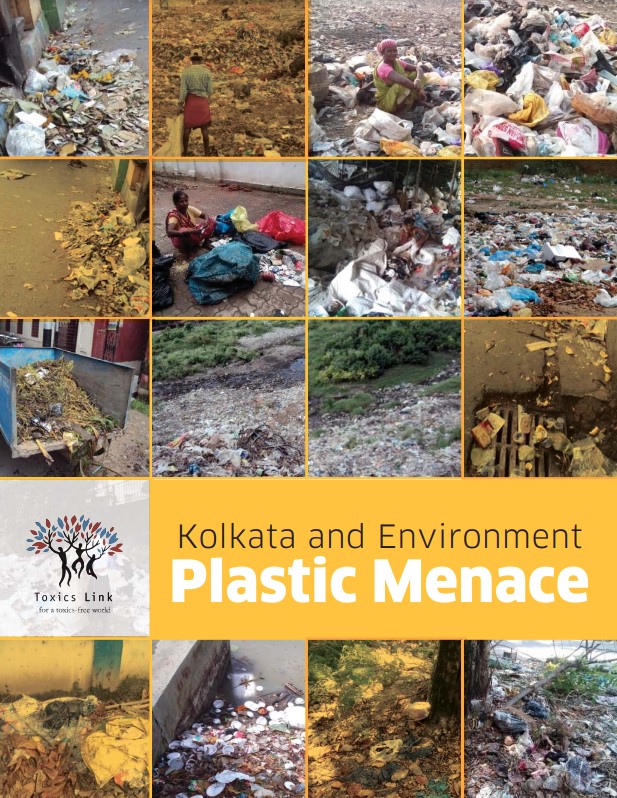
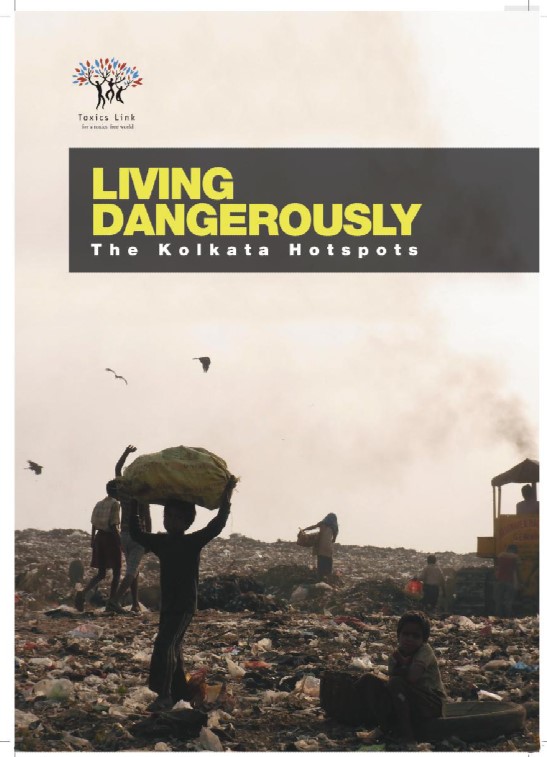
Kolkata and Environment: Plastic Menace
Keywords: india, Kolkata, Awareness, Recycling, Plastic, West Bengal, Delhi, NGO, consumer, menace, Environment, disposal, landfill, Toxicity, ban, compliance, Toxics Link, Plastic Bags, carcinogenic, regulatory agenciesTitle: Kolkata and Environment Plastic...
Spreading Infections? Healthcare Facilities in Delhi
The objective of the study was to assess the current status of Bio medical waste management in Delhi. Though the study looked only at bedded health care facilities, it was clear that this infectious waste, even after almost 20 years of the Rules, is not fully implemented on ground. Though the practices and processes in larger healthcare establishments seemed in compliance with the Rules, the systems in hospitals or nursing homes of smaller sizes were lacking in many aspects. The study has not included clinics or non-bedded facilities, but our observation of the few clinics we visited and interviews of some key stakeholders seemed to suggest that most clinics are not in compliance with the Rules and many of them, in fact, have not even tied with the CBWTFs. One of the major shortcomings is that database of HCFs pertaining to BMWM was neither available online on official website of DPCC nor provided when asked through the medium of multiple RTIs. Non-availability of this data leads to apprehension, as well as is limiting factor to any agenda associated with ensuring the compliance of BMW rule in Delhi.
Environmental Illusion: The Non-Woven Bags
The look and feel of the non-woven bags have made people believe that they are made of cloth and therefore environment-friendly.This is far from the truth.The lab findings, which were a part of this study, clearly show the plastic content in the popularly distributed non-woven bags- thus breaking the myth that these bags pose no harm to the environment.Lack of correct information or misleading information is leading most vendors to use plastic (non-woven PP) as replacement for normal plastic- and ironically paying more for it.The industry though continues to assert that NWPP bags are the best alternative to polythene or regular plastic bags, citing their durability and also claiming that they are environment-friendly.Though some local and regional government agencies have explicitly admitted that NWPP bags are not the right choice, there is still lack of clarity on the issue.Consumer awareness and behaviour change programmes still remain key elements and various agencies have to work towards informing and educating the consumers regarding the reality of non-woven bags.
What’s in the Diaper? Presence of Phthalates in Baby Diapers
The study is an attempt to get an overview on the presence of phthalates in diapers in the Indian context. The study has also established that most of the diapers contain phthalates like DEPH and DBP which are well-known endocrine disruptors. The sample TL-D 16 hasthe highest concentration of DEHP, DBP and total phthalates of 8.2 -302.25 PPM, which is notably higher than the recent published studies by Ishi et al 2015 on DEHP (0.1-0.6 ppm) and DBP (0.1-0.2 ppm) in baby diapers available in Japan and Park et al 2019 of the level of DEHP (0.01-0.06 ppm) and DBP (0.01-0.16 ppm) in diapers in Netherlands. Incidently most of the samples studiedin India have high phthalate levels than the available global studies conducted on phthalates in diapers. Therefore the present study raised concerns on the quality of the products available in the Indian market and also the possible unimaginable risks that these products can pose to children. Moreover due to lack of a suitable disposal mechanism in place, diapers mostly end in the landfills or the surrounding open spaces of our neighbourhoods.As the diapers contain high level of phthalates, there is every possibility that these phthalates are being leached out to the surrounding environment and impacting the overall ecosytems including the ground water. And this can pose huge health hazards to the surrounding community as well.
Less is More: Strategies for Minimization of Electronic waste
The study by the environmental group raises serious concern on the current focus on ‘recycling’ to address the challenges of dealing with rising e-waste volumes globally and stresses on the need to bring in holistic solutions and shift focus from mere recycling to other aspects of a circular economy like reduce and repair.
Quantitative Analysis of Microplastics along River Ganga
The study titled, ‘Quantitative analysis of Microplastics along River Ganga’ finds that the river is heavily polluted with microplastics. It has thrown up alarming results as microplastics were found in all the samples.The river water testing was carried out in collaboration with the National Institute of Oceanography in Goa and a set of five water samples were collected from the river at Haridwar, Kanpur and Varanasi. The samples were tested through FTIR to identify the exact type or resin core and the results show presence of significantly high (40) different kinds of polymers as microplastics in Ganga waters. Resins like EVOH, Polyacetylene, PIP, PVC and PVAL were predominant in all three locations. However, the concentration of microplastics was significantly different in different sampling sites. Locations with higher population density and greater industrialisation (textile, tannery, etc.,) etc.,had a higher microplastics concentration in the river.The study findings indicated higher microplastic levels in the samples collected from Kanpur and Varanasi in comparison to Haridwar. Among the three cities, Varanasi showed the maximum load of microplastics in the Ganga waters as compared to the other two cities.