Extended Producer Responsibility (EPR) is an emerging principle for a new generation of pollution prevention policies. It imposes accountability over the entire life-cycle of products and packaging introduced in the market. The aim of EPR is to encourage producers to prevent pollution and reduce resource and energy use in each stage of the product life cycle through changes in product design and process technology. The document discusses in details the policy instruments that embody the EPR principle. It essays the initiation of EPR and then talks on EPR programmes around the world with special emphasis on the EPR for electronic waste.
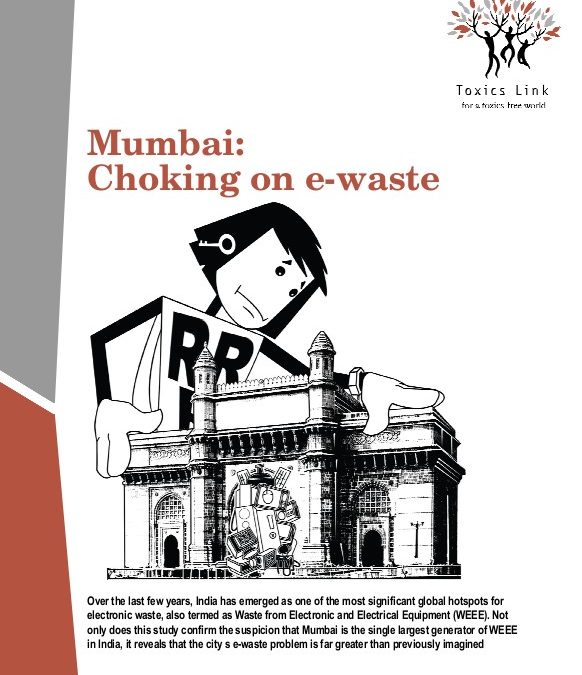
As a part of our ongoing efforts to facilitate a strong legislative action on electronic waste in the country, Toxics Link publishes study on the status of Waste from Electronic and Electrical Equipments (WEEE) in Mumbai. The report reveals that Mumbai is not just the leading generator of electronic waste in the country, but also discards a large part of it to Delhi and its adjoining areas where informal recycling sector process them in environmentally hazardous manner. For More info please write us at info@toxicslink.org
The existing e-waste processing is mostly handled in a very well networked informal sector having very high environmental and health impacts. With e-waste becoming a reality in India and such unorganised recycling activities on the rise, a need has been felt in all quarters for an efficient and environmentally sound management of e-waste in the country. Toxics Link attempts to look at a workable e-waste recycling model with Producer Responsibility Organisation (PRO) at the centre who will largely be responsible for environmentally sound management of e-waste. The paper gives details on the collection mechanism, process flow and financial component of the proposed model.